
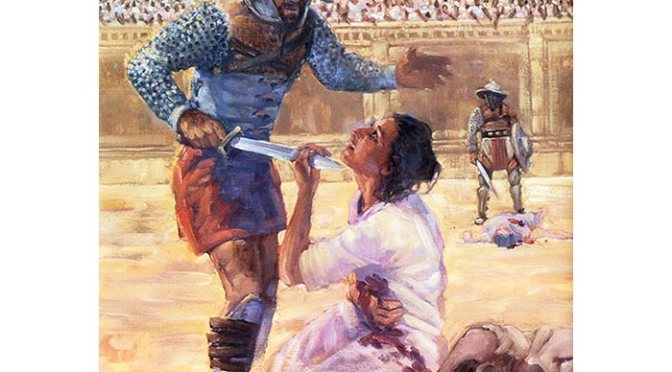
Last time, I introduced third-century Perpetua as a prime example of unwavering faith. This time, I’ll answer the question, “Ron! Where’s the power switch to activate great faith like she had?” The button’s name is ‘experience.’ Keep pressing it and enjoy an extraordinary life with God here and in the hereafter, just like Perpetua. Alright—let’s explore the experiential ‘power button of faith.’
Everything in the Christian faith revolves around personal encounters and experiences. This includes what we read in the Bible and what we experience throughout our faith journey. For example, people encountered God through dreams and prophecies, which they documented. Others met Jesus as He spoke and healed, and they recorded those moments. Even the historical events, genealogies, love letters, and lamentations in the Bible are documented accounts of real experiences. Engaging with these—by reading, hearing, and seeing—can help build faith after an introduction to God’s Kingdom and making a well-placed choice (Romans 10:9-10).
Experience is essential for strong faith, and it can take many forms, such as biblical writings and the proclamation of God’s Kingdom being near to people. “But these [signs performed by Jesus] have been written so that you may believe that Jesus is the Christ, the Son of God; and that believing you may have life in His name.” (John 20:31) And, according to the apostle Paul: “How then will they call on Him in whom they have not believed? How will they believe in Him whom they have not heard? And how will they hear without a preacher?” (Romans 10:14) One more: “The fear of the LORD is the beginning of wisdom, And the knowledge of the Holy One is understanding.” (Proverbs 9:10)
Another kind of experience that can ignite and build strong faith is personal evangelism. Not as you might think, though. I’m not talking about speaking to strangers about things they don’t understand or handing out pamphlets, but representing God’s Kingdom as ambassadors through your actions. What you do matters much more than what you say!
“Alright, Ron. I believe in God through Jesus and have dedicated all I am and have to them (Romans 10:9-10); my faith power button exists. Now what? How do I energize and strengthen it? We grow stronger in anything through discipline; building faith is no different. Study the Bible. Don’t just read the words—study and ask for understanding! Pray regularly to adore and thank God, intercede for yourself and others, and confess sinful behavior. Practice your faith through self-control and charity. And when you lack faith (perhaps due to discouragement and doubt or spiritual immaturity), pray for faith-boosting wisdom (James 1:5-6).
In summary, develop a faith power button through experience, then strengthen it by practicing spiritual disciplines like study, prayer, self-control, charity, and fellowship. For something entirely different, we’ll explore the Old Covenant Law (Instruction) and its role in setting standards, revealing darkness, and understanding God’s nature in the following article.
Blessings and peace,
Dr. Ron Braley
 Equipping believers to become followers through discipleship!