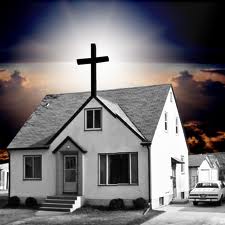
Early Christians met in house churches to learn, encourage, and worship interactively. There were no inside-the-church preachers, priests, buildings, tithes, or religious dogma. Potential converts came to the Faith because of observed Christian behavior and compelling evangelism outside church walls. Members upheld covenantal vows and communal expectations.
No one person ruled anyone. Elders provided oversight but weren’t elevated. Preachers and evangelists taught outside church walls; pastors shepherded and taught inside and were equal to everyone else and unpaid. Everyone shared testimonies, burdens, songs, biblical texts, and resources. Not today.
Today’s pursuit of “nickels and noses” derails disciple-making and transformation. Western Christianity declines about 20% per year, and churches close at an alarming rate. The remainder focuses on attracting consumers, and 90% or more of church income goes toward expenses. Only 5% of Western churches claim to make disciples who make disciples. A whopping 960 people out of 1,000 introduced to God’s Kingdom are unfruitful and unworthy of imitation because expectations, modeling, discipleship, and accountability are missing. Let’s contrast the earliest Christian way of life with today’s Christian religion to see the differences.
No sanctioned buildings, tax exemptions, or Old Testament tithes existed until fourth-century Constantine. Christians were to ‘go and make.’ Today, we thrust new buildings into strange communities and expect people to ‘come, listen, and give.’ Potential converts counted the cost of discipleship and then devoted entirely to God and the Church. Today’s Christians usually expect instant salvation from belief without response. Without discipleship and transformation, they look like the world. Preachers preached outside; now, they preach inside to a passive audience. Everyone was required to participate; today, people come and go without expectations or consequences. It’s no wonder our Christianity is impotent and dying. Can we reverse the trend? Yes!
The existing brick-and-mortar church must become a sending agency that equips Christians to ‘go and make’ outside the church walls. That must be its focus and where most resources go. We could reverse the embarrassing ROI (Return On Investment) if we retool to become ‘churches of house churches’ like first-century house-church Christianity overseen by Elders and Bishops. An effective church today could produce and oversee pastors who shepherd house churches in their communities. Antioch church in Waco, TX., does something similar. And so does Jason Shepperd in his project “A House of House Churches” (https://www.amazon.com/Church-House-Churches-Articulated-Ecclesiology/dp/B0B1K5WBLX). He’s the senior pastor, and most visitors don’t know him. Why? He’s not the focus. Jason and the pastors he trains invisibly lead a potent church of house churches where discipleship, training, accountability, benevolence, ‘one anothers,’ and transformation happen.
Today’s business-focused Christian religion and churches don’t resemble the influential, intimate, communal first-century Church. It’s supposed to make disciples who make disciples (Matthew 28:18-20), which it doesn’t do. Let’s reverse the trend to revitalize Western Christianity!
Please consider reading my book From Butts in the Pews to Be-Attitudes: Turning Consumers into Disciples (available on Amazon, Barnes and Noble, and Xulon Press) for more information and support for the statistics in this article. Next time? Drain the brain [swamp], and please God! Remember that religion is for you, and obedience is for God.
Blessings and peace,
Dr. Ron Braley, MDiv, DMin.

 Equipping believers to become followers through discipleship!