Tag Archives: Christian

The “A-B-C’s” of Prayer

Payer is definitely one of the most powerful, but misused, tools in a Christian’s arsenal. For most, it’s a one-way request for stuff or a spontaneous cry for help. We like talking to God when we want something. We like thinking that God is just hanging out waiting for our requests despite the condition of our heart, practice of sin, or lack of faithfulness in the covenant we are supposed to be in with Him through the Christ.

What is prayer . . . really? How should it be used? It’s necessary for us to communicate our thanks, desires, needs, and requests on others’ behalf to our Father of Spirits (God the Father). We do this by the Holy Spirit and through our Christ who intercedes with God on our behalf.

Toward that end, we’re taught how to pray by Jesus who gave a model – a template – for prayer (what we call the Lord’s Prayer) (Matthew 6:9-13).

That model teaches us what to pray (ACTS): Adoration, Confession, Thanksgiving, and Supplication. It also shows us how to pray.

  • Trust and don’t be anxious (Ephesians 3:20; Philippians 4:6).
  • Ask with the right motives (i.e. to fulfill God’s desires and plans) and keep asking (1John 5:14; Luke 18:1-7).
  • Be specific! The effort shows intent and helps to see God at work.
  • No rote, repetitive prayers; pray in private (to ensure it’s from the heart and without pride) (Matthew 6:5-8).

So, what is the role of the Spirit and our Christ in this prayer/connection? Communicator, helper, and intercessor (Romans 8:26-27).

Let’s look at a few things that will enable our prayers as we exercise faith and obedience:

  • Ask with the right motives.
  • Keep asking and don’t lose heart.
  • Living right and be obedient (1John 3:21-22; John 15:7).
  • Walking by the Spirit.

Contrary to unbiblical thinking and teaching that proposes God is waiting with bated breath to hear and answer every prayer despite our lack of participation in covenant, there are certainly things that can keep our prayers from being ‘heard’ or answered. The following list can basically be summed up under a heading of, “The lack of a right heart/intent”:

  • Impure motives (James 4:3).
  • Bad relationships (1Peter 3:7).
  • Lack of repentance and reconciliation (Psalms 66:18; Matthew 5:23-24).
  • Disobedience (lack of the obedience shown in scriptures above).

Summary: Jesus gave us a template to pray by in our Adoration of God, Confession of anything we do in opposition to His ways, in Thanksgiving for His mercies, and in Supplication. Ask with the right motives and keep asking. Wait. Trust. Be righteous and holy to enable, and not inhibit, prayer. And, always remember that we should want what God wants; it has always been, and always will be, about Him!

Keep an eye out for “Finding Answers to Stuff Churches Don’t Discuss!” scheduled for a mid-2015 publication. There, you’ll find roughly 60 topics related to daily life (such as sex, religion, finances, tattooing, and everything in between!) along with practical application of God’s guidance for navigating those difficult waters!

And, for a very comprehensive and detailed study of the very important topic of God’s judgment to come and being rescued from it, feel free to read my 2011 guide titled, “Finding the End of the World” available at Amazon, Barnes and Noble, and from www.ronbraley.com in paper and e-book formats. In the guide, you’ll find roughly 500 pages of building blocks to help you do your own complete and unbiased study based on Scripture and history!

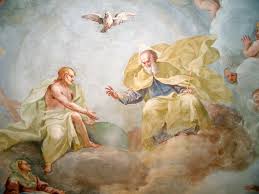
The “A-B-C’s” of the Trinity

God . . . Three in one? One in three? Slivers of the same? Or three distinct beings?

Despite man’s centuries-old trinity debate, the Bible refers to God in two ways: Corporately at the beginning of creation – Hebrew el-o-heem (Genesis 1:1-2 & John 1:1-14) and as God the Father. Different heavenly beings under corporate God (el-o-heem) are as follows.

  • Father: The father of spirits (Hebrews 12:9), the father who gives us the Spirit (Luke 11:13), and the father who forgives (Matthew 6:14-15).
  • Son: Took human form to live and die as a man in order to give humankind the choice of life through covenant with Him.
  • Spirit: Described as the ‘breath of God’, He is currently on earth to guide and instruct those who follow the Christ (John 16:13).

They’re corporately the same just like company employees or a husband and wife may be of one mind. Jesus pointed this out when claiming that He and His father were one and the same (John 14:11).  However, each is a distinct entity with beautiful attributes.

Different titles for God the Father based on His character and actions:

  • His true name, Jehovah/Yahweh – “I am that I am” – “I exist” (Genesis 2:4)
  • Creator and Father of spirits (Genesis 6:7, Ecclesiastes 12:5-7 & Hebrews 12:9)
  • Healer, Jehovah-Rapha (Exodus 15:26)
  • Provider, Jehovah-Jireh (Genesis 22:14)
  • Judge of the world through Jesus the Christ (Acts 17:30-31)

Regarding the Son of God: He came to earth and took human form (spirit in body like us) to become the final sacrifice for sin. He has earned the right to rescue us from judgment (Revelation 5) and sits in the kingdom of heaven at the right side of God the father (Ephesians 1:19-20).

What about the Spirit of corporate God? The Spirit is given by God the Father at the moment of true belief (Luke 11:13) and Acts 19:2). He is also a teacher & helper to Jesus’ Followers (John 14:26 and 16:13, and 2Peter 1:21). Finally, the Holy Spirit also gives gifts to the Followers of Jesus to strengthen them. These include the tongues of men and angels along with interpretations, wisdom, knowledge, faith, healing, miracles, prophecy, and discerning of spirits (Acts 2:4 & 13, and 1Corinthians 12:7-10).

El-o-heem God corporately describes creator, savior, and helper – three distinct individuals working together to reconcile God the Father of Spirits with His creation. Who – or what – is your god?

Keep an eye out for “Finding Answers to Stuff Churches Don’t Discuss!” scheduled for a mid-2015 publication. There, you’ll find roughly 60 topics related to daily life (such as sex, religion, finances, tattooing, and everything in between!) along with practical application of God’s guidance for navigating those difficult waters!

And, for a very comprehensive and detailed study of the very important topic of God’s judgment to come and being rescued from it, feel free to read my 2011 guide titled, “Finding the End of the World” available at Amazon, Barnes and Noble, and from www.ronbraley.com in paper and e-book formats. In the guide, you’ll find roughly 500 pages of building blocks to help you do your own complete and unbiased study based on Scripture and history!
The “A-B-C’s” of God’s Law and Covenant

What is the Old Testament ‘Law’ (note the capital L) and what does it have to do with today’s New Testament Christian? To answer these questions, we must first understand where the Law came from.

Long ago, God formed a covenant with mankind through the nation of Israel with Abraham, reaffirmed through Moses. There was no formal Law before God revealed it to Moses in about 1445 BCE. The covenant God formed with Israel was to be as close and as binding as a marriage contract and the resulting relationship. This is why He called Israel His ‘wife’ and the Church is called the ‘bride of Christ’. The Law given to God’s bride through Moses and the prophets would serve to guide her in this relationship with God. It would also become an unachievable standard by which we realize our sinful and imperfect nature (i.e. Romans 5:20 and 7:7; Galatians 3:24).

Today, no one can truly be called ‘Christian’ unless they’ve entered into a similar covenant with God through our Christ. That marriage-like agreement and its “I’ll be yours if you’ll be mine” promise begins with a change of heart and corresponding behavior that moves our direction and actions toward God and His ways (repentance). We give ourselves to God and then reaffirm our commitment to Him and our Christ – the Savior of mankind as foretold by God through the prophets – whenever we drink from the Communion cup.

But . . . salvation from God’s wrath to come and eternal life with Him through a following of our Christ doesn’t nullify the Law as some suggest (see Paul’s response in Romans 3:31). Jesus fulfilled the Law by His coming, death, resurrection (i.e. Matthew 5:17-18), but it still serves a purpose and the words contained within it and the Torah (Old Testament) that houses it are very valid, even today. We may no longer be under the religious requirements of the Law (i.e. any of hundreds of rules from tithing to sacrifices), but that ancient guide can tell us a lot about how we’re to walk with God and treat our fellow man.

Want to know the mind of God – what He likes and what He hates? Interested in knowing where you came from, spiritually-speaking? Then study the Old Testament and the Law – the Scriptures referenced by the Apostle Paul (2Timothy 3:14-17)!

The old covenant between God and His bride, Israel, brought us the Law. God’s new covenant with the world through our Christ fulfilled the ancient Law and provides the Spirit to all who truly believe and follow. The perfect law is now written on the hearts/minds of followers through the Spirit (i.e. Romans 2:13-15; prophecy of Jeremiah in Chapter 31, etc.). And, we still have the ancient Law as it existed to instruct, guide, and provide a sanity check in our daily activities (i.e. Matthew 7:12; Romans 13:8).

Keep an eye out for “Finding Answers to Stuff Churches Don’t Discuss!” scheduled for a mid-2015 publication. There, you’ll find roughly 60 topics related to daily life (such as sex, religion, finances, tattooing, and everything in between!) along with practical application of God’s guidance for navigating those difficult waters!

And, for a very comprehensive and detailed study of the very important topic of God’s judgment to come and being rescued from it, feel free to read my 2011 guide titled, “Finding the End of the World” available at Amazon, Barnes and Noble, and from www.ronbraley.com in paper and e-book formats. In the guide, you’ll find roughly 500 pages of building blocks to help you do your own complete and unbiased study based on Scripture and history!
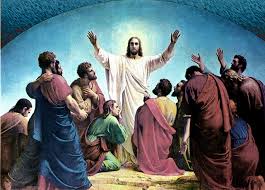
The “A-B-C’s” of God’s Judgment

God will judge everyone in the last days for reward or punishment. We, as followers of Jesus, are to judge the behavior of the Church – police ourselves, if you will (more on that in a future blog).

All will be judged by God at the end of our current age – even Jesus’ followers (see Romans 14:10-12 and 2Corinthians 5:10). The names of the obedient and faithful throughout time will be found in the Book of Life. For them, eternal life and unimaginable reward await. The rest (those whose names won’t appear in that Book) will be thrown into hell – the lake of fire punishment created for Satan and his fallen angels.

He who believes in Him is not judged; he who does not believe has been judged already, because he has not believed in the name of the only begotten Son of God. —John 3:18.

Therefore having overlooked the times of ignorance, God is now declaring to men that all people everywhere should repent, because He has fixed a day in which He will judge the world in righteousness through a Man whom He has appointed, having furnished proof to all men by raising Him from the dead. —Acts 17:30-31.

For we must all appear before the judgment seat of Christ, so that each one may be recompensed for his deeds in the body, according to what he has done, whether good or bad. —2Corinthians 5:10.

And I saw the dead, the great and the small, standing before the throne, and books were opened; and another book was opened, which is the book of life; and the dead were judged from the things which were written in the books, according to their deeds. And the sea gave up the dead which were in it, and death and Hades gave up the dead which were in them; and they were judged, every one of them according to their deeds. Then death and Hades were thrown into the lake of fire. This is the second death, the lake of fire. And if anyone’s name was not found written in the book of life, he was thrown into the lake of fire. —Revelation 20:12-15.

Eternal life and reward await those who choose reconciliation with God through the Christ. All others will be judged and dealt with accordingly regardless of whether they’ve chosen to reject God or just not bothered to choose.

Life or death. Which is your choice?


Keep an eye out for “Finding Answers to Stuff Churches Don’t Discuss!” scheduled for a mid-2015 publication. There, you’ll find roughly 60 topics related to daily life (such as sex, religion, finances, tattooing, and everything in between!) along with practical application of God’s guidance for navigating those difficult waters!

And, for a very comprehensive and detailed study of the very important topic of God’s judgment to come and being rescued from it, feel free to read my 2011 guide titled, “Finding the End of the World” available at Amazon, Barnes and Noble, and from www.ronbraley.com in paper and e-book formats. In the guide, you’ll find roughly 500 pages of building blocks to help you do your own complete and unbiased study based on Scripture and history!
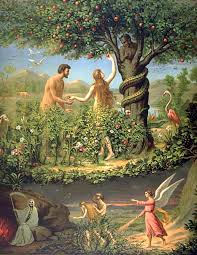
The “A-B-C’s” of Repentance and Forgiveness

True repentance, which is a ‘change in behavior brought about by a change of heart’, is absolutely necessary for forgiveness. And, forgiveness is indeed necessary for salvation from God’s judgment to come. Therefore, as the Bible points out so well, repentance is necessary for salvation.

Is repentance a saying, “I’m sorry”? No (see 2Corinthians 7:9-10)! This is why we tend to repeat sinful behavior. Yes, we must be sorrowful as a natural component of the ‘change of heart’ necessary for repentance. But, we don’t truly repent unless we’ve taken action to remove whatever is causing us to stumble (Jesus discussed this in Matthew 5:29-30).

To reiterate, doing something that’s sinful can be remediated (and forgiven) through repentance – acknowledging that what we’ve done (or intend to do) is opposite of God’s ways and then taking action to ensure the act (or intended act) won’t be repeated. Do this and God will be more than willing to forgive the offense or intention to commit it.

“Cast away from you all your transgressions which you have committed and make yourselves a new heart and a new spirit! For why will you die, O house of Israel? For I have no pleasure in the death of anyone who dies,” declares the Lord GOD. “Therefore, repent and live.” —Ezekiel 18:31-32.

“and He said to them, “Thus it is written, that the Christ would suffer and rise again from the dead the third day, and that repentance for forgiveness of sins would be proclaimed in His name to all the nations, beginning from Jerusalem.” —Luke 24:46-47.

 “And now, brethren, I know that you acted in ignorance, just as your rulers did also. But the things which God announced beforehand by the mouth of all the prophets, that His Christ would suffer, He has thus fulfilled. Therefore repent and return, so that your sins may be wiped away, in order that times of refreshing may come from the presence of the Lord;” —Acts 3:17-19.

“You have no part or portion in this matter, for your heart is not right before God. Therefore repent of this wickedness of yours, and pray the Lord that, if possible, the intention of your heart may be forgiven you.” —Acts 8:21-22.

If we confess our sins, He is faithful and righteous to forgive us our sins and to cleanse us from all unrighteousness. —1John 1:9.

On a related note, repeating sinful actions constitutes sinful behavior – something God has no tolerance for. In fact, we’re taught that He will leave us to our own rebellious behavior and execute wrath at His judgment if we continue to practice sin.

Therefore having overlooked the times of ignorance, God is now declaring to men that all people everywhere should repent, because He has fixed a day in which He will judge the world in righteousness through a Man whom He has appointed, having furnished proof to all men by raising Him from the dead.” —Acts 17:30-31.

But because of your stubbornness and unrepentant heart you are storing up wrath for yourself in the day of wrath and revelation of the righteous judgment of God, who WILL RENDER TO EACH PERSON ACCORDING TO HIS DEEDS —Romans 2:5-6.

Now the deeds of the flesh are evident, which are: immorality, impurity, sensuality, idolatry, sorcery, enmities, strife, jealousy, outbursts of anger, disputes, dissensions, factions, envying, drunkenness, carousing, and things like these, of which I forewarn you, just as I have forewarned you, that those who practice such things will not inherit the kingdom of God. —Galatians 5:19-21. (See also Ephesians 5:5-6)

So, ‘feel’ sorry, but turn that sorrow into action in the same way that ‘belief’ must result in action – obedience – to our God and Christ. Repent, obey, and live!

Keep an eye out for “Finding Answers to Stuff Churches Don’t Discuss!” scheduled for a mid-2015 publication. There, you’ll find roughly 60 topics related to daily life (such as sex, religion, finances, tattooing, and everything in between!) along with practical application of God’s guidance for navigating those difficult waters!

And, for a very comprehensive and detailed study of the very important topic of God’s judgment to come and being rescued from it, feel free to read my 2011 guide titled, “Finding the End of the World” available at Amazon, Barnes and Noble, and from www.ronbraley.com in paper and e-book formats. In the guide, you’ll find roughly 500 pages of building blocks to help you do your own complete and unbiased study based on Scripture and history!

The “A-B-C’s” of Sin and Righteousness

What is righteousness? What is sin? What do the two have to do with each other?

~ Sin Defined ~

Make no mistake – there’ll be a reckoning at the end of this current age, or era. (Please refer to my book Finding the End of the World for details regarding the end of our world as we know it!) It’ll come as judgment and consequence both to those who were and are obedient to God’s instructions and those who’ve been disobedient. This disobedience, rebellion, or sin must be dealt with one way or another – either through a true change of heart that leads to a change of behavior (repentance) and resulting forgiveness, or by judgment and sentencing.

Many things are often loosely defined as sin because they contradict manmade doctrine even if there’s no apparent rebellion against God’s ways. Some core behaviors should be called sin but aren’t. Understanding what sin really is and how it often manifests itself will be crucial to avoiding it and keeping our eyes on the prize of eternal life with God and His Christ. Here are the primary forms of sin as identified by the Strong’s Concordance for the Old and New Testaments (‘H’ = Hebrew Old Testament; ‘G’ = Greek New Testament):

Hebrew or Greek Word for Sin Primary Meaning Strong’s #
khat-aw-aw’ offense Η2401
khaw-taw’ to miss Η2398
hamartia offense G266
hamartanō missing the mark G264

For the most part, sin is defined as an offense or ‘missing the mark’. But missing what mark? Offending whom? In this author’s opinion, sin is missing the standard (mark) set by God and is therefore offensive to Him. Wherever there’s sinful behavior, there’ll be something contrary to God’s ways or commandments. Let’s look at these standards and commandments in more detail in order to gain a better understanding of what we’re to strive for.

Jesus said, “If you love me, you’ll obey my commandments.” (cf. John 14:15 & 23). This implies that not keeping His commandments will reflect a lack of love, or rebellious behavior – sin. What were these commandments? That we love God appropriately and man charitably (cf. Matthew 22:35-40). He tells us that the Law [of Moses] and teachings of the prophets are summed up in those two statements. This makes sense since nearly everything we can think of to do is related to our treatment of God and man. Here’s an interesting and related tidbit: the first five of the Ten Commandments relate to our treatment of, and obedience to, God; the last five dictate some basic guidelines for how we should treat our fellow man. Everything we do – or want to do – should be measured against those two categories. Want to know whether a particular action (whether intended or carried out) is a sin? Just consider how it will affect God or fellow human beings. Is it really that cut and dry?

Scripture clearly teaches that there’s a distinction between an isolated rebellion against God (sinful action that we need to repent of and be forgiven for) and practicing sinful behavior. While the former can be resolved along the journey toward righteousness, the latter will bring clear separation from God and invoke judgment! Practicing sinful behavior, which certainly implies a lack of repentance, will, as I’ve said several times, result in God’s wrath at the end-of-the-age judgment to come (see 1Corininthians 6:9-10 and Galatians 5:19-21, for instance).

We know that sin is rebellion against God and His ways. Sin without repentance and the practice of sin will lead to separation from God and ultimate judgment. But how do we gain an understanding of God’s ways – the standards by which we should compare all we think and do? We can only come to know the mind of God and His instructions through two ways: (1) Communication with Him through the Spirit that resides in us once we’ve truly believed in the Christ and His incredible gift of salvation; (2) knowledge of God’s instructions and ways through exposure to the messages and testimonies found in the Bible.

 “But the Helper, the Holy Spirit, whom the Father will send in My name, He will teach you all things, and bring to your remembrance all that I said to you.” —John 14:26.

So faith comes from hearing, and hearing by the word of Christ. —Romans 10:17.

You, however, continue in the things you have learned and become convinced of, knowing from whom you have learned them, and that from childhood you have known the sacred writings which are able to give you the wisdom that leads to salvation through faith which is in Christ Jesus. All Scripture is inspired by God and profitable for teaching, for reproof, for correction, for training in righteousness; so that the man of God may be adequate, equipped for every good work. —2 Timothy 3:14-17.

~ Righteousness Defined ~

“ . . . for correction, for training in righteousness; so that the man of God may be adequate, equipped for every good work. —2 Timothy 3:14-17.

By Strong’s definition, righteousness is ‘equity of character or action; by implication innocent and holy – just and right; right – justice and its execution’ (see the Strong’s definitions and related verses below).

Essentially, we’re righteous if we’re living right and are just in our actions. This is the opposite of sinful behavior. Sin and righteousness are incompatible – we can’t be both at the same time!

Want to be righteous? Learn God’s ways (again, see 2Timothy 3:14-17 and others that tell us to immerse ourselves in the Scriptures of the Torah – Old Testament – and letters and Gospel accounts of the New Testament to accomplish this).

The righteous will be rewarded; the sinful will be punished. Sheep or goat – which will you be in the last days?

Keep an eye out for “Finding Answers to Stuff Churches Don’t Discuss!” scheduled for a mid-2015 publication. There, you’ll find roughly 60 topics related to daily life (such as sex, religion, finances, tattooing, and everything in between!) along with practical application of God’s guidance for navigating those difficult waters!

And, for a very comprehensive and detailed study of the very important topic of God’s judgment to come and being rescued from it, feel free to read my 2011 guide titled, “Finding the End of the World” available at Amazon, Barnes and Noble, and from www.ronbraley.com in paper and e-book formats. In the guide, you’ll find roughly 500 pages of building blocks to help you do your own complete and unbiased study based on Scripture and history!

The “A-B-C’s” of Christianity

Absolute Belief Creates action . . .

What True Christianity is NOT:

  • A self-centered culture focused on pleasing the senses through music, dress, and ear-tickling self-help messages.
  • Founded on blind faith.
  • A belief system without action.
  • Appealing to most humans in its truest form because of its narrow and difficult way shaped by discipline, self-control, and benevolence.
  • A gateway to the giant Jinni, slot machine, one-way gift-giver, or however most people look at God these days.
  • Entitlement for sinful ‘do-overs’.
  • Promises of an illness-free materially-prosperous life where we will never suffer consequences of our actions or the actions of others while we wait to go to Heaven.

What True Christianity IS:

  • Action out of faith.
  • Born of faith that comes from confidence.
  • Ever-increasing confidence gained from prayer, fellowship, discipleship, and study.
  • A system of ‘paying it forward’ whereby those who are mentored and discipled do the same while also proclaiming what God and our Christ Jesus have done for us.
  • Representative of those who have entered into a two-way marriage-like relationship with God through Jesus.
  • Potential hardship and death on earth; Reward and life later.

~ Getting There from Here ~

Belief is the first step to obtaining salvation, which is available to everyone – not just a chosen few (Mark 16:15-16 and John 3:16-18). If we believe with all our heart, then a change of heart that results in a change of behavior – repentance – must follow.

  • Repentance is absolutely necessary for being rescued from coming judgment (Acts 17:30-31)!
  • Sinful behavior keeps us from God; repentance allows us to draw near to Him (Acts 3:19).
  • True belief and repentance lead to good fruit that comes out of obedience (Acts 26:20).

We’re also told in the Gospel to be baptized by water.

  • A person is born initially of water (through the womb) but must be spiritually born as well to enter God’s kingdom (John 3:5-6).
  • Baptism has become the symbolic of the washing away of sin that Christ offered through His death and resurrection (Romans 6:3-4).

Because true faith comes from the heart, a person must believe completely that Jesus died for them and then confess this belief. Faith – belief – is obtained and strengthened from experiencing the testimonies and fulfilled prophecies contained in the Word of God. They serve to ‘convince’ men of the truth and build faith (Romans 10:17 and 1 Peter 2:1-2).

To obtain and keep salvation (which, by the way, is a ‘rescuing’ from God’s wrath to come):

  • Believe in the gospel – the good news of salvation through Jesus. True belief will bring a new heart.
  • Repent by using that new heart to change sinful behavior.
  • Be baptized as an outward sign of your new faith.
  • Increase faith through continual exposure to teachings contained in the Bible.
  • Don’t practice sinful behavior – those things that are counter to God’s ways!!

While the gift of salvation is given by faith and not because of anything we can do to earn it, faith must lead to obedience and therefore production of ‘fruit’. In fact, James tells us that faith – or belief – without obedience (works) is useless (James 2:14-20). So, learn, grow, care for others, and follow God’s ways . . . and live!


Keep an eye out for “Finding Answers to Stuff Churches Don’t Discuss!” scheduled for a mid-2015 publication. There, you’ll find roughly 60 topics related to daily life (such as sex, religion, finances, tattooing, and everything in between!) along with practical application of God’s guidance for navigating those difficult waters!

And, for a very comprehensive and detailed study of the very important topic of God’s judgment to come and being rescued from it, feel free to read my 2011 guide titled, “Finding the End of the World” available at Amazon, Barnes and Noble, and from www.ronbraley.com in paper and e-book formats. In the guide, you’ll find roughly 500 pages of building blocks to help you do your own complete and unbiased study based on Scripture and history!

Chasing Pleasure? Wake up and Smell the Smoke!

Now the deeds of the flesh are evident, which are: immorality, impurity, sensuality, idolatry, sorcery, enmities, strife, jealousy, outbursts of anger, disputes, dissensions, factions, envying, drunkenness, carousing, and things like these, of which I forewarn you, just as I have forewarned you, that those who practice such things will not inherit the kingdom of God. —Galatians 5:19-21.

Sensuality by its definition is licentiousness – filthy behavior, lasciviousness, and wantonness – according to Strong’s concordance (from the Greek aselgeia). In biblical context, it’s generally associated with immorality and sometimes with sexual feelings or behavior.

Chasing pleasure of the senses in pursuit of immorality is distasteful to God and will certainly invoke God’s judgment and hell in the last days! It also leaves little or no time for actually pleasing God . . .

But refuse to put younger widows on the list, for when they feel sensual desires in disregard of Christ, they want to get married. — 1Timothy 5:11.

and if He rescued righteous Lot, oppressed by the sensual conduct of [Sodom and Gomorrah’s] unprincipled men . . . — 2Peter 2:7.

. . .  excluded from the life of God because of the ignorance that is in them, because of the hardness of their heart; and they, having become callous, have given themselves over to sensuality for the practice of every kind of impurity with greediness. —Ephesians 4:17-19.

. . .  having pursued a course of sensuality, lusts, drunkenness, carousing, drinking parties and abominable idolatries. . . .  but they will give account to Him who is ready to judge the living and the dead. —1Peter 4:3-5.

Engaging in sensual activities like viewing pornography (including publically-acceptable media with erotic images) or entering into ‘racy’ discussions or crude joking epitomizes what the Bible reveals about sensuality, immorality, and fornication and related consequences. Dabbling by viewing sensual images or verbalizing sensual topics can produce unnecessary sexual arousal that will most likely need to be satisfied.

So, why do I associate sensuality and pornography? Because pornography reflects filthy and immoral behavior that appeals to the senses. It can be a trigger for the commission of sexual sin since it certainly causes physical and perhaps emotional arousal that must be satisfied in the end. There’s no disguising the purpose of pornography: it’s meant to stimulate the senses and cause arousal for the ultimate goal of sexual satisfaction.

Indulging in pornography is certainly sinful and dangerous. While Scripture doesn’t directly reference the word ‘pornography’ it does address fornication and the pursuit of sensuality – all of which are pervasive in pornographic material and behavior that will bring judgment from God. Do we really want to be guilty by association?

It’s important to point out that pornography or sensual stimulants don’t have to be visual in the form of pictures or video: they can be present in sound and word.  Erotic speech and noises can stimulate sexual desire in the same way viewing an erotic picture or film can. And sensual stories such as stereotypical romance novels or the recent 50 Shades of Grey book can evoke emotions and sexual desire no less driving than pictures or sound. This is why women can also be ensnared by pornography or sensuality even though they’re not normally driven in the same way men typically are.

Our choices: Animalistic, immoral sensual pleasure now with its judgment and hell later, or balance in accordance with God’s ways now and unimaginable reward and eternal life later. Choose wisely!

Let us behave properly as in the day, not in carousing and drunkenness, not in sexual promiscuity and sensuality, not in strife and jealousy. —Romans 13:13.

Keep an eye out for “Finding Answers to Stuff Churches Don’t Discuss!” scheduled for a mid-2015 publication. There, you’ll find roughly 60 topics related to daily life (such as sex, religion, finances, tattooing, and everything in between!) along with practical application of God’s guidance for navigating those difficult waters!

And, for a very comprehensive and detailed study of the very important topic of God’s judgment to come and being rescued from it, feel free to read my 2011 guide titled, “Finding the End of the World” available at Amazon, Barnes and Noble, and from www.ronbraley.com in paper and e-book formats. In the guide, you’ll find roughly 500 pages of building blocks to help you do your own complete and unbiased study based on Scripture and history!

The Gift that Keeps on Giving

Crisp air, crowded malls, and credit cards a-flying can mean only one thing: the holiday season is upon us! In fact, Christmas is a mere 1 week away. My, how time has flown since the last bout of bustling buyers scrambled for trinkets and travel arrangements! Yep – it’s definitely time again to ponder the ‘reason for the season’ and, indeed, the season itself.

Read the Q&A titled, “Holy Days: Christmas” from my book Finding Answers to Stuff Churches Don’t Discuss (available in 2015) and you’ll learn some little-discussed facts about Christmas. For instance, Jesus’ birth took place in a warmer time of year when the animals were grazing. And the actual number of wise men is anybody’s guess. Read the Gospel accounts closely and you’ll also notice that Jesus would’ve been about 2 years old and not a newborn baby when the wise men finally arrived with their gifts. Simultaneous with that ah-ha moment may be the sudden realization that the gifts were necessary to see Joseph, Mary, and Jesus through a 2-year exile in Egypt.

If you’re like me, you’re asking yourself, “How, then, did Christmas come into being and assume current traditions?” Most likely, a well-meaning fourth-century Church established the holiday to acknowledge Jesus’ birthday but coincide with pagan recognition of the winter solstice on December 25th. Why? Perhaps it was to attract those pagans to the Christian faith. Look around and you’ll see we do the same even today through churchgoer actions, speech, and approaches to entertainment and worship as we attempt to attract new consumers by modeling what they like. But, we can go down that rabbit hole another time.

You may be getting the idea that I’m not a proponent of Christmas. The truth is that I think the holiday is fine when recognized for what it actually is: a time of feasting, family and indebtedness with little actual regard for our Christ. Let’s change that – even if only for a fleeting moment – by imagining together what a Christ-centered Christmas could look like.

I see clothes and food for the less-fortunate, without indebtedness, delivered by children and their parents. After all, this is how our Christ said we’ll be judged in the last days. And we’d sing songs about redemption, forgiveness, and expectation of amazing things to come – not about Frosty, Santa, chestnuts, or elves.  We’d share stories about Jesus from the Gospels and imagine what His life was like. There’d be feasting and drinking (in moderation, of course).  Our Christ gave the greatest gift of all to us: the choice of eternal life. We’d celebrate it as the gift that ‘keeps on giving’, adoring the gift-giver all the while.

But, Christmas reality along with its gaiety and materialism are upon us. Are those your real reasons for the season? If so, dare to be different and give the Christ this Christmas!

Donuts and Electric Guitars?

We know from the Old Testament that Israelites praised God with instruments and voices (e.g. 1Chronicles 15:16) as the whole earth will one day (Psalm 66:3-4). And, according to Paul, the first-century Church also sang songs together in praise and worship (e.g. Ephesians 5:19; Colossians 3:16).

There are two ways to handle music in church: listen to the music and enjoy it, which may make us feel good but does nothing for anyone else. Or . . . we can actively participate in singing and playing as instructed by the Bible. This outward expression is a great way to adore, honor, and revere our God and Christ! After all, true love (agape in the Greek) is actionable and the kind of love we’re meant to have for God and our fellow humans.

There’s some concern these days around the use of multimedia and the replaying of Christian entertainment during church services as a form of praise and worship. Whether there’s reason for concern depends on the intent of the performers and hearers.

Are the sessions prideful regurgitations of Christian top-40 music meant to evoke the same kinds of emotions you’d find in a bar over weepy love songs or among lighter-waving teens in a Lynyrd Skynyrd concert 35 years ago? Or, is the music truly a vehicle for outward-bound praise of our Lord and savior?  Only the performers and listeners know for sure.

As a praise and worship lead guitarist for roughly 34 years, I can honestly say I’ve seen it go both ways, although the trend seems to be moving away from a participatory worship to more of an appeal to the senses (in my experience and opinion).

Just remember that obedience to God’s commandments is the greatest form of true worship – assigning ‘worth’ or ‘value’ to our God. According to the Bible, this is what God desires over religious activities, and Jesus said this is how we prove we’re His. No amount of donuts in the foyer, weepy worship band music, electric guitar solos, or church programs will save us from God’s wrath to come. However, obedience out of faith will.

Keep an eye out for “Finding Answers to Stuff Churches Don’t Discuss!” scheduled for a mid-2015 publication. There, you’ll find roughly 60 topics related to daily life (such as sex, religion, finances, tattooing, and everything in between!) along with practical application of God’s guidance for navigating those difficult waters!

And, for a very comprehensive and detailed study of the very important topic of God’s judgment to come and being rescued from it, feel free to read my 2011 guide titled, “Finding the End of the World” available at Amazon, Barnes and Noble, and from www.ronbraley.com in paper and e-book formats. In the guide, you’ll find roughly 500 pages of building blocks to help you do your own complete and unbiased study based on Scripture and history!