Category Archives: Finding the End of the World

Blogging about stuff related to my book, “Finding the End of the World”

The “A-B-C’s” of God’s Law and Covenant

What is the Old Testament ‘Law’ (note the capital L) and what does it have to do with today’s New Testament Christian? To answer these questions, we must first understand where the Law came from.

Long ago, God formed a covenant with mankind through the nation of Israel with Abraham, reaffirmed through Moses. There was no formal Law before God revealed it to Moses in about 1445 BCE. The covenant God formed with Israel was to be as close and as binding as a marriage contract and the resulting relationship. This is why He called Israel His ‘wife’ and the Church is called the ‘bride of Christ’. The Law given to God’s bride through Moses and the prophets would serve to guide her in this relationship with God. It would also become an unachievable standard by which we realize our sinful and imperfect nature (i.e. Romans 5:20 and 7:7; Galatians 3:24).

Today, no one can truly be called ‘Christian’ unless they’ve entered into a similar covenant with God through our Christ. That marriage-like agreement and its “I’ll be yours if you’ll be mine” promise begins with a change of heart and corresponding behavior that moves our direction and actions toward God and His ways (repentance). We give ourselves to God and then reaffirm our commitment to Him and our Christ – the Savior of mankind as foretold by God through the prophets – whenever we drink from the Communion cup.

But . . . salvation from God’s wrath to come and eternal life with Him through a following of our Christ doesn’t nullify the Law as some suggest (see Paul’s response in Romans 3:31). Jesus fulfilled the Law by His coming, death, resurrection (i.e. Matthew 5:17-18), but it still serves a purpose and the words contained within it and the Torah (Old Testament) that houses it are very valid, even today. We may no longer be under the religious requirements of the Law (i.e. any of hundreds of rules from tithing to sacrifices), but that ancient guide can tell us a lot about how we’re to walk with God and treat our fellow man.

Want to know the mind of God – what He likes and what He hates? Interested in knowing where you came from, spiritually-speaking? Then study the Old Testament and the Law – the Scriptures referenced by the Apostle Paul (2Timothy 3:14-17)!

The old covenant between God and His bride, Israel, brought us the Law. God’s new covenant with the world through our Christ fulfilled the ancient Law and provides the Spirit to all who truly believe and follow. The perfect law is now written on the hearts/minds of followers through the Spirit (i.e. Romans 2:13-15; prophecy of Jeremiah in Chapter 31, etc.). And, we still have the ancient Law as it existed to instruct, guide, and provide a sanity check in our daily activities (i.e. Matthew 7:12; Romans 13:8).

Keep an eye out for “Finding Answers to Stuff Churches Don’t Discuss!” scheduled for a mid-2015 publication. There, you’ll find roughly 60 topics related to daily life (such as sex, religion, finances, tattooing, and everything in between!) along with practical application of God’s guidance for navigating those difficult waters!

And, for a very comprehensive and detailed study of the very important topic of God’s judgment to come and being rescued from it, feel free to read my 2011 guide titled, “Finding the End of the World” available at Amazon, Barnes and Noble, and from www.ronbraley.com in paper and e-book formats. In the guide, you’ll find roughly 500 pages of building blocks to help you do your own complete and unbiased study based on Scripture and history!

The “A-B-C’s” of God’s Judgment

God will judge everyone in the last days for reward or punishment. We, as followers of Jesus, are to judge the behavior of the Church – police ourselves, if you will (more on that in a future blog).

All will be judged by God at the end of our current age – even Jesus’ followers (see Romans 14:10-12 and 2Corinthians 5:10). The names of the obedient and faithful throughout time will be found in the Book of Life. For them, eternal life and unimaginable reward await. The rest (those whose names won’t appear in that Book) will be thrown into hell – the lake of fire punishment created for Satan and his fallen angels.

He who believes in Him is not judged; he who does not believe has been judged already, because he has not believed in the name of the only begotten Son of God. —John 3:18.

Therefore having overlooked the times of ignorance, God is now declaring to men that all people everywhere should repent, because He has fixed a day in which He will judge the world in righteousness through a Man whom He has appointed, having furnished proof to all men by raising Him from the dead. —Acts 17:30-31.

For we must all appear before the judgment seat of Christ, so that each one may be recompensed for his deeds in the body, according to what he has done, whether good or bad. —2Corinthians 5:10.

And I saw the dead, the great and the small, standing before the throne, and books were opened; and another book was opened, which is the book of life; and the dead were judged from the things which were written in the books, according to their deeds. And the sea gave up the dead which were in it, and death and Hades gave up the dead which were in them; and they were judged, every one of them according to their deeds. Then death and Hades were thrown into the lake of fire. This is the second death, the lake of fire. And if anyone’s name was not found written in the book of life, he was thrown into the lake of fire. —Revelation 20:12-15.

Eternal life and reward await those who choose reconciliation with God through the Christ. All others will be judged and dealt with accordingly regardless of whether they’ve chosen to reject God or just not bothered to choose.

Life or death. Which is your choice?


Keep an eye out for “Finding Answers to Stuff Churches Don’t Discuss!” scheduled for a mid-2015 publication. There, you’ll find roughly 60 topics related to daily life (such as sex, religion, finances, tattooing, and everything in between!) along with practical application of God’s guidance for navigating those difficult waters!

And, for a very comprehensive and detailed study of the very important topic of God’s judgment to come and being rescued from it, feel free to read my 2011 guide titled, “Finding the End of the World” available at Amazon, Barnes and Noble, and from www.ronbraley.com in paper and e-book formats. In the guide, you’ll find roughly 500 pages of building blocks to help you do your own complete and unbiased study based on Scripture and history!

The “A-B-C’s” of Repentance and Forgiveness

True repentance, which is a ‘change in behavior brought about by a change of heart’, is absolutely necessary for forgiveness. And, forgiveness is indeed necessary for salvation from God’s judgment to come. Therefore, as the Bible points out so well, repentance is necessary for salvation.

Is repentance a saying, “I’m sorry”? No (see 2Corinthians 7:9-10)! This is why we tend to repeat sinful behavior. Yes, we must be sorrowful as a natural component of the ‘change of heart’ necessary for repentance. But, we don’t truly repent unless we’ve taken action to remove whatever is causing us to stumble (Jesus discussed this in Matthew 5:29-30).

To reiterate, doing something that’s sinful can be remediated (and forgiven) through repentance – acknowledging that what we’ve done (or intend to do) is opposite of God’s ways and then taking action to ensure the act (or intended act) won’t be repeated. Do this and God will be more than willing to forgive the offense or intention to commit it.

“Cast away from you all your transgressions which you have committed and make yourselves a new heart and a new spirit! For why will you die, O house of Israel? For I have no pleasure in the death of anyone who dies,” declares the Lord GOD. “Therefore, repent and live.” —Ezekiel 18:31-32.

“and He said to them, “Thus it is written, that the Christ would suffer and rise again from the dead the third day, and that repentance for forgiveness of sins would be proclaimed in His name to all the nations, beginning from Jerusalem.” —Luke 24:46-47.

 “And now, brethren, I know that you acted in ignorance, just as your rulers did also. But the things which God announced beforehand by the mouth of all the prophets, that His Christ would suffer, He has thus fulfilled. Therefore repent and return, so that your sins may be wiped away, in order that times of refreshing may come from the presence of the Lord;” —Acts 3:17-19.

“You have no part or portion in this matter, for your heart is not right before God. Therefore repent of this wickedness of yours, and pray the Lord that, if possible, the intention of your heart may be forgiven you.” —Acts 8:21-22.

If we confess our sins, He is faithful and righteous to forgive us our sins and to cleanse us from all unrighteousness. —1John 1:9.

On a related note, repeating sinful actions constitutes sinful behavior – something God has no tolerance for. In fact, we’re taught that He will leave us to our own rebellious behavior and execute wrath at His judgment if we continue to practice sin.

Therefore having overlooked the times of ignorance, God is now declaring to men that all people everywhere should repent, because He has fixed a day in which He will judge the world in righteousness through a Man whom He has appointed, having furnished proof to all men by raising Him from the dead.” —Acts 17:30-31.

But because of your stubbornness and unrepentant heart you are storing up wrath for yourself in the day of wrath and revelation of the righteous judgment of God, who WILL RENDER TO EACH PERSON ACCORDING TO HIS DEEDS —Romans 2:5-6.

Now the deeds of the flesh are evident, which are: immorality, impurity, sensuality, idolatry, sorcery, enmities, strife, jealousy, outbursts of anger, disputes, dissensions, factions, envying, drunkenness, carousing, and things like these, of which I forewarn you, just as I have forewarned you, that those who practice such things will not inherit the kingdom of God. —Galatians 5:19-21. (See also Ephesians 5:5-6)

So, ‘feel’ sorry, but turn that sorrow into action in the same way that ‘belief’ must result in action – obedience – to our God and Christ. Repent, obey, and live!

Keep an eye out for “Finding Answers to Stuff Churches Don’t Discuss!” scheduled for a mid-2015 publication. There, you’ll find roughly 60 topics related to daily life (such as sex, religion, finances, tattooing, and everything in between!) along with practical application of God’s guidance for navigating those difficult waters!

And, for a very comprehensive and detailed study of the very important topic of God’s judgment to come and being rescued from it, feel free to read my 2011 guide titled, “Finding the End of the World” available at Amazon, Barnes and Noble, and from www.ronbraley.com in paper and e-book formats. In the guide, you’ll find roughly 500 pages of building blocks to help you do your own complete and unbiased study based on Scripture and history!

The “A-B-C’s” of Sin and Righteousness

What is righteousness? What is sin? What do the two have to do with each other?

~ Sin Defined ~

Make no mistake – there’ll be a reckoning at the end of this current age, or era. (Please refer to my book Finding the End of the World for details regarding the end of our world as we know it!) It’ll come as judgment and consequence both to those who were and are obedient to God’s instructions and those who’ve been disobedient. This disobedience, rebellion, or sin must be dealt with one way or another – either through a true change of heart that leads to a change of behavior (repentance) and resulting forgiveness, or by judgment and sentencing.

Many things are often loosely defined as sin because they contradict manmade doctrine even if there’s no apparent rebellion against God’s ways. Some core behaviors should be called sin but aren’t. Understanding what sin really is and how it often manifests itself will be crucial to avoiding it and keeping our eyes on the prize of eternal life with God and His Christ. Here are the primary forms of sin as identified by the Strong’s Concordance for the Old and New Testaments (‘H’ = Hebrew Old Testament; ‘G’ = Greek New Testament):

Hebrew or Greek Word for Sin Primary Meaning Strong’s #
khat-aw-aw’ offense Η2401
khaw-taw’ to miss Η2398
hamartia offense G266
hamartanō missing the mark G264

For the most part, sin is defined as an offense or ‘missing the mark’. But missing what mark? Offending whom? In this author’s opinion, sin is missing the standard (mark) set by God and is therefore offensive to Him. Wherever there’s sinful behavior, there’ll be something contrary to God’s ways or commandments. Let’s look at these standards and commandments in more detail in order to gain a better understanding of what we’re to strive for.

Jesus said, “If you love me, you’ll obey my commandments.” (cf. John 14:15 & 23). This implies that not keeping His commandments will reflect a lack of love, or rebellious behavior – sin. What were these commandments? That we love God appropriately and man charitably (cf. Matthew 22:35-40). He tells us that the Law [of Moses] and teachings of the prophets are summed up in those two statements. This makes sense since nearly everything we can think of to do is related to our treatment of God and man. Here’s an interesting and related tidbit: the first five of the Ten Commandments relate to our treatment of, and obedience to, God; the last five dictate some basic guidelines for how we should treat our fellow man. Everything we do – or want to do – should be measured against those two categories. Want to know whether a particular action (whether intended or carried out) is a sin? Just consider how it will affect God or fellow human beings. Is it really that cut and dry?

Scripture clearly teaches that there’s a distinction between an isolated rebellion against God (sinful action that we need to repent of and be forgiven for) and practicing sinful behavior. While the former can be resolved along the journey toward righteousness, the latter will bring clear separation from God and invoke judgment! Practicing sinful behavior, which certainly implies a lack of repentance, will, as I’ve said several times, result in God’s wrath at the end-of-the-age judgment to come (see 1Corininthians 6:9-10 and Galatians 5:19-21, for instance).

We know that sin is rebellion against God and His ways. Sin without repentance and the practice of sin will lead to separation from God and ultimate judgment. But how do we gain an understanding of God’s ways – the standards by which we should compare all we think and do? We can only come to know the mind of God and His instructions through two ways: (1) Communication with Him through the Spirit that resides in us once we’ve truly believed in the Christ and His incredible gift of salvation; (2) knowledge of God’s instructions and ways through exposure to the messages and testimonies found in the Bible.

 “But the Helper, the Holy Spirit, whom the Father will send in My name, He will teach you all things, and bring to your remembrance all that I said to you.” —John 14:26.

So faith comes from hearing, and hearing by the word of Christ. —Romans 10:17.

You, however, continue in the things you have learned and become convinced of, knowing from whom you have learned them, and that from childhood you have known the sacred writings which are able to give you the wisdom that leads to salvation through faith which is in Christ Jesus. All Scripture is inspired by God and profitable for teaching, for reproof, for correction, for training in righteousness; so that the man of God may be adequate, equipped for every good work. —2 Timothy 3:14-17.

~ Righteousness Defined ~

“ . . . for correction, for training in righteousness; so that the man of God may be adequate, equipped for every good work. —2 Timothy 3:14-17.

By Strong’s definition, righteousness is ‘equity of character or action; by implication innocent and holy – just and right; right – justice and its execution’ (see the Strong’s definitions and related verses below).

Essentially, we’re righteous if we’re living right and are just in our actions. This is the opposite of sinful behavior. Sin and righteousness are incompatible – we can’t be both at the same time!

Want to be righteous? Learn God’s ways (again, see 2Timothy 3:14-17 and others that tell us to immerse ourselves in the Scriptures of the Torah – Old Testament – and letters and Gospel accounts of the New Testament to accomplish this).

The righteous will be rewarded; the sinful will be punished. Sheep or goat – which will you be in the last days?

Keep an eye out for “Finding Answers to Stuff Churches Don’t Discuss!” scheduled for a mid-2015 publication. There, you’ll find roughly 60 topics related to daily life (such as sex, religion, finances, tattooing, and everything in between!) along with practical application of God’s guidance for navigating those difficult waters!

And, for a very comprehensive and detailed study of the very important topic of God’s judgment to come and being rescued from it, feel free to read my 2011 guide titled, “Finding the End of the World” available at Amazon, Barnes and Noble, and from www.ronbraley.com in paper and e-book formats. In the guide, you’ll find roughly 500 pages of building blocks to help you do your own complete and unbiased study based on Scripture and history!

Chasing Pleasure? Wake up and Smell the Smoke!

Now the deeds of the flesh are evident, which are: immorality, impurity, sensuality, idolatry, sorcery, enmities, strife, jealousy, outbursts of anger, disputes, dissensions, factions, envying, drunkenness, carousing, and things like these, of which I forewarn you, just as I have forewarned you, that those who practice such things will not inherit the kingdom of God. —Galatians 5:19-21.

Sensuality by its definition is licentiousness – filthy behavior, lasciviousness, and wantonness – according to Strong’s concordance (from the Greek aselgeia). In biblical context, it’s generally associated with immorality and sometimes with sexual feelings or behavior.

Chasing pleasure of the senses in pursuit of immorality is distasteful to God and will certainly invoke God’s judgment and hell in the last days! It also leaves little or no time for actually pleasing God . . .

But refuse to put younger widows on the list, for when they feel sensual desires in disregard of Christ, they want to get married. — 1Timothy 5:11.

and if He rescued righteous Lot, oppressed by the sensual conduct of [Sodom and Gomorrah’s] unprincipled men . . . — 2Peter 2:7.

. . .  excluded from the life of God because of the ignorance that is in them, because of the hardness of their heart; and they, having become callous, have given themselves over to sensuality for the practice of every kind of impurity with greediness. —Ephesians 4:17-19.

. . .  having pursued a course of sensuality, lusts, drunkenness, carousing, drinking parties and abominable idolatries. . . .  but they will give account to Him who is ready to judge the living and the dead. —1Peter 4:3-5.

Engaging in sensual activities like viewing pornography (including publically-acceptable media with erotic images) or entering into ‘racy’ discussions or crude joking epitomizes what the Bible reveals about sensuality, immorality, and fornication and related consequences. Dabbling by viewing sensual images or verbalizing sensual topics can produce unnecessary sexual arousal that will most likely need to be satisfied.

So, why do I associate sensuality and pornography? Because pornography reflects filthy and immoral behavior that appeals to the senses. It can be a trigger for the commission of sexual sin since it certainly causes physical and perhaps emotional arousal that must be satisfied in the end. There’s no disguising the purpose of pornography: it’s meant to stimulate the senses and cause arousal for the ultimate goal of sexual satisfaction.

Indulging in pornography is certainly sinful and dangerous. While Scripture doesn’t directly reference the word ‘pornography’ it does address fornication and the pursuit of sensuality – all of which are pervasive in pornographic material and behavior that will bring judgment from God. Do we really want to be guilty by association?

It’s important to point out that pornography or sensual stimulants don’t have to be visual in the form of pictures or video: they can be present in sound and word.  Erotic speech and noises can stimulate sexual desire in the same way viewing an erotic picture or film can. And sensual stories such as stereotypical romance novels or the recent 50 Shades of Grey book can evoke emotions and sexual desire no less driving than pictures or sound. This is why women can also be ensnared by pornography or sensuality even though they’re not normally driven in the same way men typically are.

Our choices: Animalistic, immoral sensual pleasure now with its judgment and hell later, or balance in accordance with God’s ways now and unimaginable reward and eternal life later. Choose wisely!

Let us behave properly as in the day, not in carousing and drunkenness, not in sexual promiscuity and sensuality, not in strife and jealousy. —Romans 13:13.

Keep an eye out for “Finding Answers to Stuff Churches Don’t Discuss!” scheduled for a mid-2015 publication. There, you’ll find roughly 60 topics related to daily life (such as sex, religion, finances, tattooing, and everything in between!) along with practical application of God’s guidance for navigating those difficult waters!

And, for a very comprehensive and detailed study of the very important topic of God’s judgment to come and being rescued from it, feel free to read my 2011 guide titled, “Finding the End of the World” available at Amazon, Barnes and Noble, and from www.ronbraley.com in paper and e-book formats. In the guide, you’ll find roughly 500 pages of building blocks to help you do your own complete and unbiased study based on Scripture and history!
Where will we go when we die?

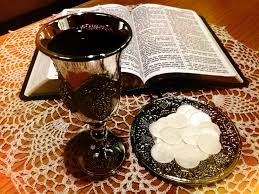
The spirit of a deceased human will go into a holding place upon death. That location will depend on whether their name is recorded in heaven as being among the righteous. The unrighteous will await judgment and a fiery consequence at the end of days. On the other hand, the spirits of the righteous will await their bridegroom – Jesus – to gather them and ascend to the “third” heaven, where God exists, at His appearing.

One of only two earthly choices will affect us after death (at least for those who’ve had a choice): follow God and His Christ and live; choose not to follow and die. Each choice will result in a consequence. The spirit of Jesus’ deceased followers (following implies action and obedience, by the way) will rest in a holding place Jesus called Paradise. They’ll wait there for His return and their gathering, often called ‘the rapture’. I know this is generally contrary to what many churches and their doctrines teach, but you’ll discover that it’s what the Bible reveals.

We’re usually told that our spirit goes to heaven at the time of physical death, yet we won’t find a single biblical reference (in context) to support that idea and plenty to the contrary. The Book of Enoch tells of a holding place for the spirits of the righteous. Jesus told the thief on the cross that He would see him in Paradise that day (Luke 23:40-43), yet Jesus didn’t ascended to heaven until three days later (John 20:17). Paul explained to the Thessalonians that the spirits of the righteous deceased will ‘rise’ to meet Jesus at His appearing and that the living followers will be ‘translated’ to join them.

Also, we know from the story of Lazarus and the rich man that spirits of both were in locations apart from heaven – Lazarus in ‘Abraham’s bosom’ and the rich man in Hades – and yet they could see each other (Luke 16:19-62).

Finally, Jesus told His disciples that we’ll be gathered and taken to heaven – to His Father’s house – upon His return. This supports what Paul said later (e.g. 1Thessalonians 4:15-17 and 1Corinthians 15:52). Paul explained to the Thessalonians that spirits of the righteous deceased will rise to meet Jesus at His appearing and that the living followers will be changed to join them. While on earth, Jesus had told His disciples about the future time when that gathering Paul mentioned will happen (cf. Matthew 24:29-31; Mark 13:24-27; Luke 21:25-28).

I realize some readers may still be holding onto traditional church dogma that insists our spirit goes to heaven immediately upon death, so allow me to ask a rhetorical question based on Paul and Jesus’ statements: “Why will Jesus need to return to earth to gather the spirits of the righteous deceased if they’re already in heaven?

In My Father’s house are many dwelling places; if it were not so, I would have told you; for I go to prepare a place for you. If I go and prepare a place for you, I will come again and receive you to Myself, that where I am, there you may be also. —John 14:2-3. (See also Matthew 24:30-31 for a reiteration of this gathering)


Summary: Our spirit will go to one of two places when we die: a holding area where we’ll await escort to heaven or to an unpleasant holding place where the spirit will await judgment and wrath.

Keep an eye out for “Finding Answers to Stuff Churches Don’t Discuss!” scheduled for a mid-2015 publication. There, you’ll find roughly 60 topics related to daily life (such as sex, religion, finances, tattooing, and everything in between!) along with practical application of God’s guidance for navigating those difficult waters!

And, for a very comprehensive and detailed study of the very important topic of God’s judgment to come and being rescued from it, feel free to read my 2011 guide titled, “Finding the End of the World” available at Amazon, Barnes and Noble, and from www.ronbraley.com in paper and e-book formats. In the guide, you’ll find roughly 500 pages of building blocks to help you do your own complete and unbiased study based on Scripture and history!

“Taking the Mystery out of Communion”

Communion is defined as sharing; intimate fellowship or rapport (Merriam-Webster).

What do Christians so intimately share and why? What you’ll discover is that our communion ritual has its beginnings in God’s covenant with Israel and the Passover celebration – something we’re certainly encouraged to participate in.

In fact, Jesus was celebrating the Passover Seder when He announced that His body would be broken and His blood shed for a new covenant with God. Jesus then encouraged His disciples to remember His coming sacrifice whenever they partook of the Passover elements – probably because of their fulfillment with His coming, death, resurrection, and salvation.

The Passover flat bread and lamb’s blood had significance then . . . and now. Let’s take a quick look at the communion components before discussing how they’ve been used to represent God’s actions and fulfillment of fulfillment of His words through the prophets:

  • The bread: from the Passover, and as our ‘bread of life’ – Jesus.
  • The wine: blood the Passover Lamb and Jesus shed for salvation.

Old Covenant/Passover fulfillment:

  • The bread – matzo – had no yeast and represented the urgent departure of the Israelites from Egypt. Its holes and stripes represent OT prophecies about the piercing and beatings our Christ would endure (Isaiah 53:3-5).
  • The wine represented the blood of the old covenant between God and Israel. Today, Jews celebrate the Passover with a Seder meal that includes matzo and four cups of wine: Sanctification, Deliverance, Redemption/Blessing (1Corinthians 10:16-17), and Hope – usually associated with the return of Elijah.

New Covenant fulfillment:

  • The bread represents the ‘bread of life’ (Jesus) broken for us to offer salvation from God’s judgment to the world (John 6:35-58). The matzo bread was broken and hidden in a specific manner during the Passover celebration. Jesus did this and made His comments about being broken for the forgiveness of sins while conducting the Seder. God asked Him to do this and He accepted the assignment: inhabit a human form, live a perfect life as a blemish-free sacrificial lamb, and then be sacrificed at the exact time the Passover lambs were to be sacrificed.
  • The wine represents the blood Jesus shed for salvation as our ‘Passover Lamb’ (Matthew 26:27-28; 1 Corinthians 5:7). It is the Seder Cup of Blessing and the covenant cup (like in a traditional Jewish wedding). One of the many prophecies and ‘dress rehearsals’ Jesus fulfilled (and is still fulfilling) was that of a traditional Jewish bridegroom. Let’s look at these things in greater detail.

Wedding – Covenant – fulfillment:

God called Israel His ‘bride’. We are called the ‘Bride of Christ’ because He and we have been fulfilling the marriage covenant since Jesus’ time on earth. No other relationship between humans should be as close as that of a husband and wife, so the comparison makes sense. Here are but a few steps that have, and will be, completed:

  • Choosing of a bride: The father of a potential groom would search for a wife for his son. We have been selected as a pure bride for our Christ (2Corinthians 11:2).
  • Contract (covenant) – first cup of wine (Matthew 26:27-28). When a suitable bride had been found, the two families would meet to discuss the potential union. If the young man and woman agreed, they would essentially say, “I will be yours if you will be mine!” This is akin to what God said to His bride, Israel. To cement the deal, the couple would drink from a cup of wine called the “cup of covenant”.
  • Separation and the building of a home (John 14:2-3). After vows, the giving of gifts, and ceremonial bathing (like the baptism we experience), the couple would separate for a short time. The boy and his father would prepare a home for the couple. This betrothal separation would normally last a year in a traditional Jewish wedding process; however, we continue to wait. Why? Because God’s timing is His timing, and He’ll wait until the number of those who’ll accept His mercy has been met.
  • Marriage and second cup timed by the groom’s father. This is also the final Seder cup and the second covenant cup in heaven: Matthew 26:28-29; the gathering for the marriage: Matthew 24:21-36; the marriage: Revelation 19:5-9). The father of the groom, at a time known only to him, would summon the groomsmen to announce that it was time for the marriage ceremony, which consisted of a supper and second cup of wine. The groomsmen made their announcement with shouts and trumpet calls.

We now understand that communion is a way of remembering the sacrifice Jesus made on our behalf and reiterating our vow in the new covenant with God through Jesus. Should everyone take communion? No!

First, only those who have promised their lives to God and our Christ should consider engaging in the ritual.

Second, there are unsuitable ways to take communion (remember that drinking the cup of covenant serves as a reiteration of our vow to ‘be a faithful bride’ until our groom returns).

  1. With an impure heart (1Corinthians 11:23-28). Taking the cup during communion while practicing sinful behavior (akin to being an unfaithful bride) is a contradiction and a lie. This is why we must be careful!
  2. For the wrong reasons (1Corinthians 11:20-22). In this case, some of the people in Corinth were using the communion table for eating and drinking – even getting drunk! This was a total abuse of the ritual, which is meant to remember Jesus’ sacrifice and our covenant. It also reeked of gluttony . . .

In summary, Jesus’ sacrifice of flesh and blood mirrored the Passover Lamb of the old covenant with God and paved the way for the salvation of all mankind in a new one. Followers of the Christ remember His sacrifice and the new covenant (synonymous with a human marriage relationship) by taking symbolic bread and wine together.

Keep an eye out for “Finding Answers to Stuff Churches Don’t Discuss!” scheduled for a mid-2015 publication. There, you’ll find roughly 60 topics related to daily life (such as sex, religion, finances, tattooing, and everything in between!) along with practical application of God’s guidance for navigating those difficult waters!

And, for a very comprehensive and detailed study of the very important topic of God’s judgment to come and being rescued from it, feel free to read my 2011 guide titled, “Finding the End of the World” available at Amazon, Barnes and Noble, and from www.ronbraley.com in paper and e-book formats. In the guide, you’ll find roughly 500 pages of building blocks to help you do your own complete and unbiased study based on Scripture and history!

Apocalyptic Misquotes . . . Part XIII “Fear is not of God!”

Misquote: “Fear doesn’t come from God” Well, actually, it does. Our emotion of fear, healthy respect, or awe isn’t some demon with a job title of “the Spirit of Fear”. Instead, it’s an important part of our makeup that aids in our protection by warning of possible or impending danger. Read the entire Bible, keeping references to ‘fear’ in context, and you’ll learn that we’re taught to fear – God, for instance, because of His incredible power and just nature.  You’ll also find that the ‘fear’ we often take out of context actually refers to cowardice in proclaiming the gospel of salvation through Jesus!

This misunderstanding hinges on taking 2Timothy 1:7-8 out of context. Here’s the abused reference:

For God has not given us a spirit of timidity, but of power and love and discipline. Therefore do not be ashamed of the testimony of our Lord or of me His prisoner, but join with me in suffering for the gospel according to the power of God —2Timothy 1:7-8.

The Greek word used here for ‘timidity’ (also translated as ‘fear’ in some versions) is deilia (Strong’s G1167). Incidentally, this is the only place this word is used! It comes from the Greek word deilos (Strong’s G1169), which is used in only three places and represents the fear of men – cowardice (Matthew 8:26, Mark 4:40, and Revelation 21:8).

Indeed, cowardice isn’t of God. In fact, He gives His Spirit to those who follow, and that Spirit brings boldness and the wisdom necessary to tell others about the gospel that leads to life (i.e. Mark 13:11). So, who are the cowardly? Those without the Spirit who are headed to God’s judgment and wrath. Let’s take a brief look at the other types of fear that can be very good for us who do have the Spirit.

  • Fear of God and Christ (i.e. Luke 7:16, Acts 13:16, Romans 13:7, 2Corinthians 7:1, Ephesians 5:21, Philippians 2:12, 1Peter 1:17). This healthy fear is represented by the Greek word phobos (Strong’s G5401); it indicates alarm, fright, or terror.

Therefore, having these promises, beloved, let us cleanse ourselves from all defilement of flesh and spirit, perfecting holiness in the fear of God. —2Corinthians 7:1.

So then, my beloved, just as you have always obeyed, not as in my presence only, but now much more in my absence, work out your salvation with fear and trembling —Philippians 2:12.

If you address as Father the One who impartially judges according to each one’s work, conduct yourselves in fear during the time of your stay on earth —1Peter 1:17.

  • This next ‘fear’, phobeō (Strong’s G5399), comes from the one we just covered, and it basically means to ‘be in awe of’ or revere. Examples of its use can be found in Luke 12:4-5, Romans 11:20-21, Acts 5:10-11, and 1Peter 2:17.

“I say to you, My friends, do not be afraid of those who kill the body and after that have no more that they can do. But I will warn you whom to fear: fear the One who, after He has killed, has authority to cast into hell; yes, I tell you, fear Him!—Luke 12:4-5.

Honor all people, love the brotherhood, fear God, honor the king. —1Peter 2:17.

So, what’s the takeaway here? Don’t be a coward. God has offered you a way out of His judgment and wrath through our Christ’s sacrifice. If you’ve taken that path, then you know the gospel that brings life and have a testimony of some kind. Share it with others by the wisdom and boldness of the Spirit. And, have a healthy respect for the power, authority, impartiality, and just nature of our God and Christ!

With this, we’ll end our current series of Apocalyptic Misquotes.  Never fear, though – we’ll continue to train in righteousness through weekly blogs as we equip believers to become followers.

Ron Braley

www.ronbraley.com

www.findingdiscipleship.org

Apocalyptic Misquotes . . . Part XII “Nothing can separate us From Jesus!”

Misquote: Nothing can separate us From Jesus!” This misunderstanding hinges on taking Romans 8:35-39 out of context and paves the way for dangerous doctrines. Here’s the abused reference:

Who will separate us from the love of Christ? . . . neither death, nor life, nor angels, nor principalities, nor things present, nor things to come, nor powers, nor height, nor depth, nor any other created thing, will be able to separate us from the love of God, which is in Christ Jesus our Lord. —Romans 8:35-39.

Actually, WE can separate ourselves from the love of God (which is action – not emotion!) through disobedience and our own lack of faith-born action.

To understand and apply Paul’s intended message, we must answer these questions:

  1. “Who was Paul speaking to and in what context?”
  2. “What is the ‘love of God’?
  3. “Who are ‘we’ who can’t be separated from God’s love?”

Let’s tackle the question regarding Paul’s audience and the context of his letter to the Church in Rome first. Paul was speaking to both Jew and non-Jew (Gentile) believers, and the overarching theme of his letter was the gift of salvation and eternal life to those who choose to follow, being led by the Spirit. This theme included a reminder that nothing can keep the righteous from God’s mercy and protection. Here’s a breakdown of the first eight chapters of Paul’s letter.

Chapter One: The righteous live by faith; all others will experience God’s judgment (v.17-18).

Chapter Two: More about the judgment of the righteous, who “by perseverance in doing good seek for glory and honor and immortality” will attain eternal life (v.7) and the unrighteous who practice evil and will suffer God’s wrath.

Chapter Three: All – both Jews and Gentiles – have sinned and fallen short of God’s glory. Righteousness isn’t attained through works of the Law (note: this is a reference to the Law of Moses and NOT ammunition to claim that belief needs not result in action!).

Chapter Four: More about righteousness through faith (not works under the Law).

Chapter Five: The gift of redemption through our Christ. Also included is a reminder about what the faithful may need to endure and the growth that comes as a result: “. . . tribulation brings about perseverance; and perseverance, proven character; and proven character, hope; . . . through the Holy Spirit who was given to us.” (v.3-5).

Chapter Six: God’s grace offers no leeway to continue in sinful behavior. We are to be obedient and not sinful (see “live by faith” in Chapter One; “doing good” in Chapter Two; perseverance in Chapter Five, etc.). “. . .  But thanks be to God that though you were slaves of sin, you became obedient from the heart to that form of teaching to which you were committed . . .” (v.16-17).

Chapter Seven: Comparing and contrasting the law of God and the law of sin.

Chapter Eight: No condemnation for those who are in Christ Jesus. By the way: the way ‘in’ is used implies that there’s no distinction between us and our Christ with regard to our behavior . . . “However, you are not in the flesh but in the Spirit, if indeed the Spirit of God dwells in you. But if anyone does not have the Spirit of Christ, he does not belong to Him.” (v.9)  “For all who are being led by the Spirit of God, these are sons of God.” (v.14)

Next, we need to define the ‘love of God’ the righteous can’t be separated from. This is the action-based agape love made manifest by God’s grace through Jesus’ sacrifice. It has nothing to do with emotion and is the same kind of ‘love’ we’re told by Jesus to have for him and our God through obedience (John 13:34-35 and 14:15-31, James 2:14-26, and many others). This is the ‘fruit’ resulting from the Spirit at work in the lives of the righteous. No obedience to God and Christ’s commandments, no Spirit. No Spirit, no fruit . . .

Finally, although it should be clear now, let’s look at ‘who’ can’t be kept from God’s saving grace. As we saw in several chapters climaxing with Chapter Eight, they are the righteous – those who are led by the Spirit, live by faith, do good, persevere, and are obedient to our God and Christ. They don’t practice sin and aren’t those who only believe and yet don’t act.

In summary, these early chapters of the letter to the Romans establish a baseline of righteousness and unrighteousness and introduce the choice that can bring life. Those who choose to accept God’s gift of redemption through an ongoing covenant by being will be rescued from God’s judgment to come, and nothing can change that. Conversely, the unrighteous disobedient (including those ‘believe’ but are inactive) will experience God’s wrath. Be righteous and live!

For a very comprehensive and detailed study of the very important topic of God’s judgment to come, feel free to read my 2011 guide titled, “Finding the End of the World” available at Amazon, Barnes and Noble, and from www.ronbraley.com in paper and e-book formats. In the guide, you’ll find roughly 500 pages of building blocks to help you do your own complete and unbiased study based on Scripture and history!

Apocalyptic Misquotes . . . Part XI: “Jesus can’t come back until we evangelize the world!”

Misquote: Jesus can’t come back until we evangelize the world!” This is based on taking Matthew 24:14 out of context and without consideration of its collaborating text in the Revelation given by the very Jesus that spoke of this topic to His disciples while He was on earth.

I’m intrigued that churches propagating this false doctrine will also tout a contradicting ‘imminent return’ doctrine that claims Jesus can come back at any moment . . . (please see my earlier blog titled, “Jesus can come back at any moment!” for more information). Claiming that Jesus must rely on mankind for the timing of His return (which is actually determined by God the Father!) is certainly contradictory to an ‘imminent return’ position!

Additionally, evangelizing every human on planet earth from the time of Jesus until the end would be quite impossible. I’ve heard many interesting theories about how we can do this today with the Internet or radio as some people try to rationalize a position where we dictate the timing of Jesus’ return to earth; however, our present day is just a bump in the long road from Jesus’ time until the very end. The fact remains that there’s no way every man, woman, and child from Jesus’ time until the end of all time could’ve been, or can be, evangelized.

Whether it could happen is irrelevant anyway. Consider the verse in its context and what you’ll learn is that the preaching of the Gospel to the entire world will be one step in an end-times sequence just before, and leading up to, Jesus’ return and our gathering.

Here’s the abused verse and its context of Matthew 24:3-31 (similar to Mark 13:4-27 and Luke 21:7-28).

Verse 3-8 (from Jesus’ time until just before the end): As He was sitting on the Mount of Olives, the disciples came to Him privately, saying, “Tell us, when will these things happen, and what will be the sign of Your coming, and of the end of the age?” And Jesus answered and said to them, “See to it that no one misleads you. For many will come in My name, saying, ‘I am the Christ,’ and will mislead many. You will be hearing of wars and rumors of wars. See that you are not frightened, for those things must take place, but that is not yet the end. For nation will rise against nation, and kingdom against kingdom, and in various places there will be famines and earthquakes. But all these things are merely the beginning of birth pangs. [compare to the events revealed by the breaking of seals 1-3 in Revelation Chapter 6]

Verses 9-13 (introduction to the Great Tribulation that will come at the end): “Then they will deliver you to tribulation, and will kill you, and you will be hated by all nations because of My name. At that time many will fall away and will betray one another and hate one another. Many false prophets will arise and will mislead many. Because lawlessness is increased, most people’s love will grow cold. But the one who endures to the end, he will be saved.

Verse 14 (this is the verse taken out of its context): “This gospel of the kingdom shall be preached in the whole world as a testimony to all the nations, and then the end will come.” [see Revelation 14:6 for a reiteration of this ‘preaching of the Gospel’ that will happen just before the gathering of Jesus’ followers and the wrath of God on all who are left on earth]

Verses 15-26 (more about the Great Tribulation that will occur just before Jesus returns to gather His own for the marriage supper in heaven):Therefore when you see the ABOMINATION OF DESOLATION which was spoken of through Daniel the prophet, standing in the holy place . . .  For then there will be a great tribulation, such as has not occurred since the beginning of the world until now, nor ever will. Unless those days had been cut short, no life would have been saved; but for the sake of the elect those days will be cut short. . . . [the persecution and death here are reiterated by Jesus in the events of the 4th and 5th seals of Revelation Chapter 6]

Verses 27-31 (the ending of the Great Tribulation with a complete darkening and the gathering of Jesus’ own): “For just as the lightning comes from the east and flashes even to the west, so will the coming of the Son of Man be. But immediately after the tribulation of those days THE SUN WILL BE DARKENED, AND THE MOON WILL NOT GIVE ITS LIGHT, AND THE STARS WILL FALL from the sky, and the powers of the heavens will be shaken. And then the sign of the Son of Man will appear in the sky, and then all the tribes of the earth will mourn, and they will see the SON OF MAN COMING ON THE CLOUDS OF THE SKY with power and great glory. And He will send forth His angels with A GREAT TRUMPET and THEY WILL GATHER TOGETHER His elect from the four winds, from one end of the sky to the other. [this darkening at the end of the Great Tribulation and at the time of our gathering is reiterated by Jesus in the event of the breaking of the 6th seal of Revelation Chapter 6]

In summary, the preaching of the Gospel Jesus refers to will be done by heavenly messengers at a very specific point in the last days as the Great Tribulation of the Antichrist is brought to a close and the wrath of God is about to begin. It will be a last chance for repentance.

But . . . remember that Jesus commanded us to tell others about the good news of salvation – God’s grace that offers us a way out of the judgment to come. After all: How will they hear if we don’t tell them?

For a very comprehensive and detailed study of this very important topic, feel free to read my 2011 guide titled, “Finding the End of the World” available at Amazon, Barnes and Noble, and from www.ronbraley.com in paper and e-book formats. In the guide, you’ll find roughly 500 pages of building blocks to help you do your own complete and unbiased study based on Scripture and history!