Tag Archives: martyrs

Heroes of the Faith – Part One

Most Christians don’t die for their faith, nor do they produce profound wisdom or excel in loving action. Yet some have transcended the ordinary, doing these things and more. In the next several articles, I’ll introduce 12 ‘heroes of the faith’ who’ve exemplified what a Christian should and could be called to do or be. They include Perpetua, Justin Martyr, Thomas Aquinas, Catherine of Siena, John of the Cross, John Hus, John Wesley, Count Nikolaus Ludwig von Zinzendorf, John Chrysostom, Dietrich Bonhoeffer, Corrie ten Boom, and Mother Teresa.

They are the subjects of our Heroes series. Why these 12? Because of their example and sacrifice. Let’s begin with Justin Martyr and Perpetua. Disclaimer: I used (and validated) AI to help gather and frame the content you’ll read across all six articles.

Justin Martyr (c. 100–165). “Whatever things were rightly said among all men are the property of us Christians.” Justin spent much of his early life searching for truth. He studied the great philosophers of Greece, hoping they would answer life’s deepest questions, but found their teachings incomplete. Everything changed when he encountered Christianity. Convinced that Jesus Christ embodied true wisdom, Justin devoted the rest of his life to defending the faith with reason and Scripture. While living in Rome, he wrote thoughtful works explaining Christian beliefs to skeptical emperors and intellectuals, arguing that faith and reason were not enemies but allies. His writings offer some of the earliest descriptions of Christian worship and theology. When ordered to sacrifice to the Roman gods, Justin refused. His execution around AD 165 earned him the title “Martyr,” and his legacy remains a powerful example of thoughtful faith joined with courageous conviction.

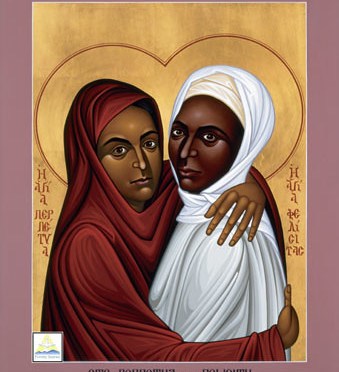
Perpetua (c. 181–203). “I cannot be called anything other than what I am—a Christian.” At twenty-two, Perpetua seemed to have everything to lose—a comfortable life, a loving family, and an infant son. Yet when Roman authorities demanded that she renounce her Christian faith, she refused. Imprisoned in Carthage, she recorded her thoughts and visions in a diary that has survived nearly eighteen centuries. Her father pleaded with her to save herself, but Perpetua remained steadfast, convinced that following Christ was worth any sacrifice. In AD 203, she and several fellow believers, including her servant Felicity, were executed in a public arena. Her remarkable account, The Passion of Perpetua and Felicity, remains one of the earliest firsthand testimonies of Christian martyrdom and continues to inspire believers with its courage, hope, and unwavering trust in God.

“And they overcame him because of the blood of the Lamb and because of the word of their testimony, and they did not love their life even when faced with death.” (Revelation 12:11) These heroes of the Christian faith exemplify the cost of discipleship, which may include martyrdom. Would you be willing to prove your faith in that way? Next time, we’ll meet martyrs John Hus and Dietrich Bonhoeffer.

Blessings and peace,

Dr. Ron Braley (MDiv; DMin)
The Ultimate Sacrifice

Veterans Day is upon us (November 11)! Initially set apart to honor WWI veterans, ‘Armistice Day’ became dedicated to world peace and all war veterans. Jesus taught there’s no greater love than sacrificing life for others’ sake (John 15:13). Honoring those who’ve given their lives defending others makes sense. So, please do this on the 11th! Here, I’d like to introduce folks from the Christian community who’ve sacrificed life, limb, time, treasure, and talents to serve others and present God’s Kingdom to the unchurched: martyrs, missionaries, evangelists/apostles, and helpers. Martyrs first.

Martyrs. A martyr is someone killed for their beliefs (e.g., religious). Notable Christian martyrs include Stephen, stoned to death in about 30 AD, and eleven of the twelve original apostles killed for their faith. Later, faithful Lawrence was grilled to death in 258 AD. Perpetua was a 22-year-old nursing mother killed by a wild beast in the coliseum for her unshakable faith in the third century AD. Another example is Margaret Clitherow, pressed to death in 1586 for ‘illegally’ harboring priests in her home. Others suffer hardship, even if they don’t always die for their faith.

Missionaries. Jesus said, “GO and make disciples!” (e.g., Matthew 28:18-20). Some people do this close to home. Others travel to foreign lands or new communities. We call the latter missionaries, and they often sacrifice life, limb, and significant comfort and resources to serve God. Examples include 18th-century William Carey, known as the “Father of Modern Missions.” He was the first missionary to India and translated the Bible into Bengali. And there was David Livingstone—a 19th-century Scottish physician who evangelized Africa. Speaking of Africa, Joanne and I just returned from a two-week mission to Kenya and Uganda, Africa, training about 400 church leaders in Christian Leadership and Discipleship principles.

Evangelists and Apostles. These preachers of God’s Kingdom to the yet-to-be-churched are another sacrificial group (where they preach determines whether they’re an evangelist or apostle). An apostle is sent into new communities to start new churches; evangelists usually preach closer to home. These obedient folks often undergo hardships and sacrifice comfort and familiarity to introduce God’s Kingdom to the spiritually needy here and abroad.

Humble Helpers. We also must recognize the folks who work humbly, obediently, and quietly behind the scenes to support and promote God’s Kingdom. They don’t seek recognition but deserve it because they sacrifice time, treasures, and talents! These folks are rare, accounting for less than 20% of a typical congregation! You’ll find them teaching, cooking, cleaning, greeting, fixing, mowing—serving selflessly in these and many more ways!

Summary: On November 11, remember those who’ve died for others. We should also honor the people who willingly sacrifice everything to introduce God’s Kingdom to the lost. Next, in anticipation of the Thanksgiving holiday, I’ll write about being thankful. Meanwhile, remember that God expects you to BE the Church, not DO church.

Blessings and peace,

Dr. Ron Braley, MDiv, DMin.